
Electrician Sites: Why Code-Compliance Pages Outrank About Us for the Searches That Matter
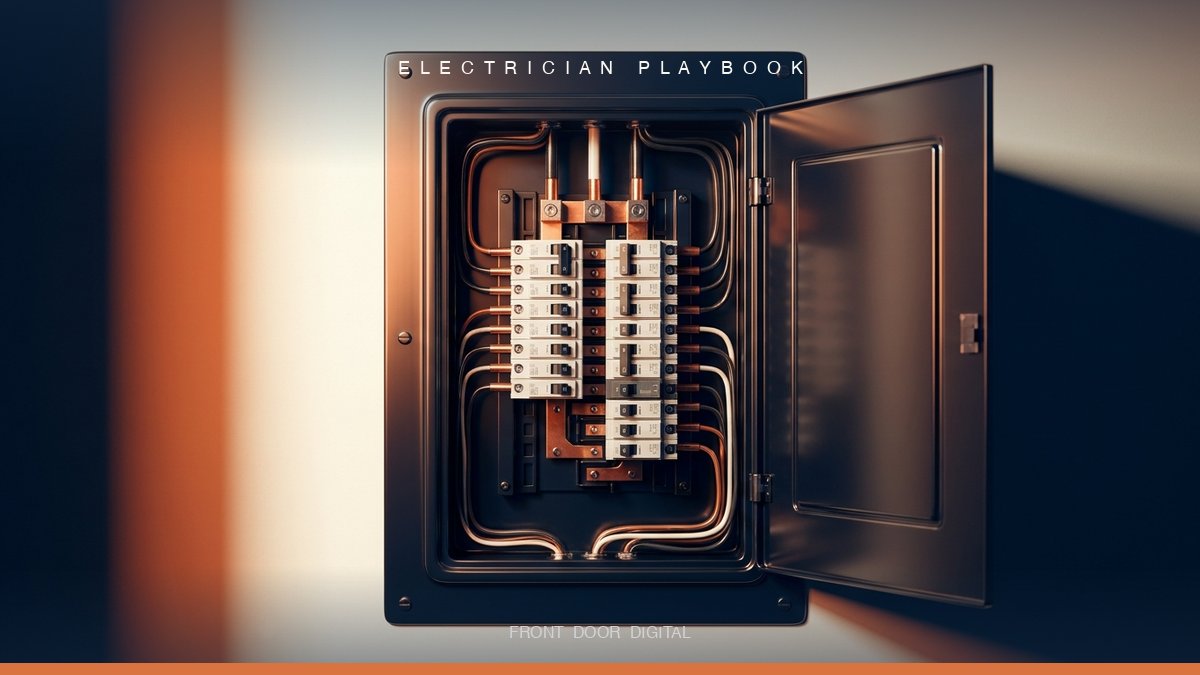
Pull up the electrician sites in your local market and the pattern gets obvious fast. Each site has a homepage with a stock image of an outlet or breaker panel, a services list that reads "residential electrical, commercial electrical, panel upgrades, EV chargers," and an about page introducing the owner. Almost none of them have substantial content on the specific code-related searches that drive a meaningful chunk of high-value electrical leads.
The opportunity hiding in plain sight: code-compliance content. Permit-required work. Panel upgrades. Service-entrance upgrades. EV charger installations. Subpanels. Knob-and-tube replacements. Aluminum-wiring remediation. These are the searches where homeowners are actively looking for an electrician who understands the specific code requirements in their area, and where the ticket size justifies a long content investment.
Here's what I'd build for an electrician who wants those higher-intent searches. The move is simple: explain the work, name the codes that apply, and prove you understand permitted electrical jobs in that city.
The defining behavior: code-driven service intent
Electrical search splits into several intent categories that look similar from the outside but behave very differently:
- Emergency intent. "Electrician near me," "no power in part of house," "circuit breaker keeps tripping." Reactive, high urgency, smaller ticket sizes. The first responsive electrician wins.
- Code-driven intent. "Panel upgrade cost," "200 amp service upgrade," "EV charger installation," "subpanel installation." Planned, high consideration, often higher ticket sizes, especially for panel upgrades, EV charger circuits, and service work. The electrician with the most authoritative content wins.
- Project-driven intent. "Electrician for kitchen remodel," "outdoor lighting installation," "smart home wiring." Mid-ticket, mixed urgency, often tied to broader home projects.
- Inspection-related intent. "Home inspection failed electrical," "buying house with old wiring," "electrical inspection." These customers are often time-pressured and have specific findings to remediate.
Emergency pages catch the urgent calls. Code-driven pages catch the bigger planned jobs. Most electrician sites optimize for the first and ignore the second, which is why most electrician websites are leaving meaningful money on the table.
The code-compliance page set
The strongest content cluster for an electrician site is the set of dedicated pages on permitted, code-driven services. Each page targets a specific service with measurable monthly search volume and a clear connection to local code requirements.
The page set I'd build first:
- Panel upgrade. 100A to 200A service upgrades, panel replacement, modern breaker installation. Common, high-value, often required by insurance or city code.
- Service entrance upgrade. The connection from utility to house. Sometimes required before a panel upgrade. Distinct service, distinct page.
- Subpanel installation. For workshops, ADUs, garage conversions, finished basements. In many cities, subpanel work requires a permit. Link to the local building department or state electrical board before stating this as fact.
- EV charger installation. Level 1, Level 2, dedicated circuit work. Growing category with specific code requirements (NEC 625 in the US).
- Aluminum wiring remediation. In some markets, aluminum wiring can become an inspection, insurance, or sale issue. Cite the state rule or cut the disclosure claim. CO/ALR connectors, full rewires.
- Knob-and-tube replacement. Common in older homes, often insurance-required for coverage.
- Whole-house rewire. Major project, high ticket. Permitted work with multi-day or multi-week timelines.
- GFCI and AFCI upgrades. Modern electrical code often requires GFCI or AFCI protection in wet, sleeping, and living areas, depending on the circuit and jurisdiction. Cite NEC or local code if you keep the specifics. Common remediation after inspection failures.
- Hot tub and pool wiring. Specialized circuits with strict code requirements.
- Generator installation. Standby and portable generator wiring, transfer switches.
For a typical full-service residential electrician, this is 10 to 15 dedicated service pages, each with 600 to 1,000 words of substantive content addressing the specific code requirements, typical pricing ranges, permit process, and what makes the service different from a basic outlet swap.
What goes on a code-compliance page
For each code-driven service page, I'd include:
- H1 with service and city. "Panel Upgrade Electrician in Salt Lake City" or "200 Amp Service Upgrade in [City]."
- A clear plain-English explanation of what the service is, why it's needed, and what's involved. Most homeowners don't know the difference between a panel upgrade and a service-entrance upgrade. Explain it.
- Reference to the specific code(s) that apply. "Under current NEC requirements (2023 edition), new service installations require..." Specific codes signal expertise and build trust.
- Permit process explanation. "This work requires a permit from [city]. We pull the permit, coordinate the inspection, and handle the utility coordination on your behalf." Permit handling is a major homeowner pain point and a clear differentiator.
- Pricing range. Even rough ranges build trust. "Most panel upgrades run $1,800 to $3,500 depending on amperage, panel location, and existing wiring condition."
- Process and timeline. What happens from initial call to completed inspection. Typical timeline.
- Photos of actual jobs. Real panels you've installed, real service entrances, real work in progress. Not stock images.
- FAQ section addressing the specific code questions homeowners ask. "Do I need a permit?" "Will my utility need to disconnect power?" "How long does the inspection take?"
- Easy ways to reach you. Make the phone number easy to hit, add a short form, and repeat the CTA where the page naturally turns.
The content reads like an electrician explaining the work to a homeowner over the kitchen table, not like marketing copy. The reason this wins SEO is simple: it actually answers the questions homeowners are typing into Google. Most electrician sites don't, so the few that do dominate the rankings for code-driven searches.
Want a free audit of your electrician site's code-page coverage?
Front Door Digital runs free site evaluations for residential electricians. We'll show you which permit-driven services you should be ranking for and where your current content falls short. Get the audit.
The trust signals that matter for electricians
Electrical work is a trust-heavy sale. The homeowner is letting someone open their service panel, alter their home's electrical system, and pull permits in their name. The trust signals I'd want on the page:
- License numbers visible everywhere. State electrical contractor license. Master electrician license if separate. Both displayed in the footer and on every service page.
- Insurance and bonding documentation. Real numbers, not just "fully insured" language.
- Permit and inspection-handling language. "We pull the permit, coordinate the inspection, and handle the utility coordination" is a clear differentiator from electricians who push permit responsibility onto the homeowner.
- Code-knowledge demonstration. Reference specific code editions and sections in your content. This isn't for the homeowner to verify, it's a signal that you know the territory.
- Real photos of completed work. Clean, organized panels with labeled breakers. Real service entrances. The visible quality of finished work is itself a trust signal.
- Local references and reviews. Pull Google reviews onto the homepage and service pages. Recent reviews from real customers in your service area.
The emergency layer (don't neglect it)
While code-driven content captures the high-value searches, the emergency layer still matters. A meaningful share of electrician traffic is reactive: power out in part of the house, breaker tripping, GFCI not resetting, sparking outlet. These customers want a phone number above the fold and a fast response.
The minimum infrastructure: a sticky phone banner with a 24/7 or same-day emergency line, a clear "Emergency Service" CTA above the fold, and a real way to actually answer those after-hours calls. If nobody is answering after hours, add a real backup. For us, that can be AI Receptionist: $999 setup and $199/mo for overnight and weekend calls; SMS auto-reply backs it up for any call that slips through. The combination captures the emergency layer without dragging down the planned-intent content.
Service-area pages for electricians
Electrician service areas are typically tighter than HVAC but wider than plumbing. Most residential electricians serve a defined metro area rather than an entire state. Each city warrants its own service-area page with the standard structure: H1 with service and city, 200 to 400 words of city-specific content, real local references, the full conversion stack.
The location pages should highlight any code variations that apply specifically to your service area. Some cities have stricter requirements than the base state code. Some areas have unique conditions (older housing stock, specific utility providers, common upgrade scenarios) that justify city-specific content. The full structure is in our service-area pages playbook.
Frequently asked questions
I'm a one-truck operation. Do I really need 15 service pages?
If you offer those services, yes. The size of your operation doesn't change what homeowners search for. A one-truck electrician with strong code-compliance pages can beat a larger shop with thin service pages. The investment is one-time content work, and once the pages are ranking, they bring in leads without paying for every click.
What if I don't actually know all the code requirements in detail?
You probably know more than you think. The content doesn't need to be a code textbook. It needs to be an experienced electrician explaining the work in plain English. Cite the code editions you work under (current NEC plus any state amendments) and the local jurisdiction's requirements. If specific code questions come up in customer conversations, capture them and turn them into FAQ content on the relevant pages.
Should I mention competitors or compare prices?
Comparing yourself to specific competitors usually backfires. Comparing yourself to industry averages, or being transparent about why your pricing is what it is, builds trust. "We're not the cheapest electrician in town. Here's what's included in our pricing that others don't include: permit handling, coordinated inspection, parts warranty, and labor warranty for two years." Transparent differentiation outperforms direct competitor comparison.
What about commercial electrical work?
Commercial work warrants its own section if it's a meaningful portion of your business. The buying behavior is different (multi-bid processes, GC relationships, scheduled service contracts) and the content needs to address those differences. A single domain with clearly separated residential and commercial sections typically works better than two separate sites.
The electrician website that wins is the one that treats code-compliance content as a SEO and conversion asset, not as something only inspectors care about. Most of your local competitors won't make this investment, which is exactly why it works.
Want to know how your site stacks up?
Get a free, no-pitch score on speed, SEO, and AI search. Takes about 90 seconds.